
THE JOURNAL
Made in USA
THE JOURNAL
THE JOURNAL-collaborations-American Riders
THE JOURNAL-STORIES-Men-Twistin' In Your Bucks
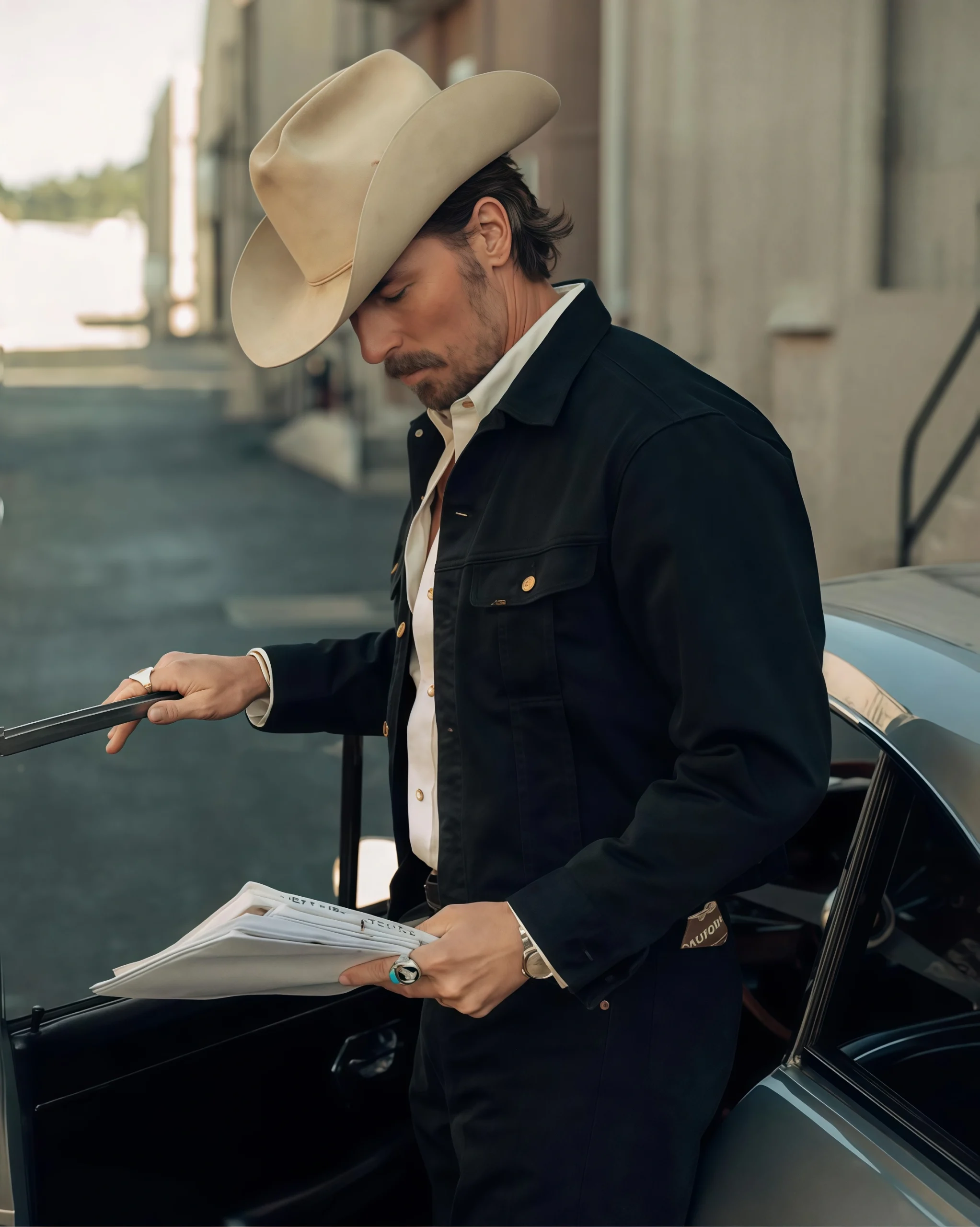
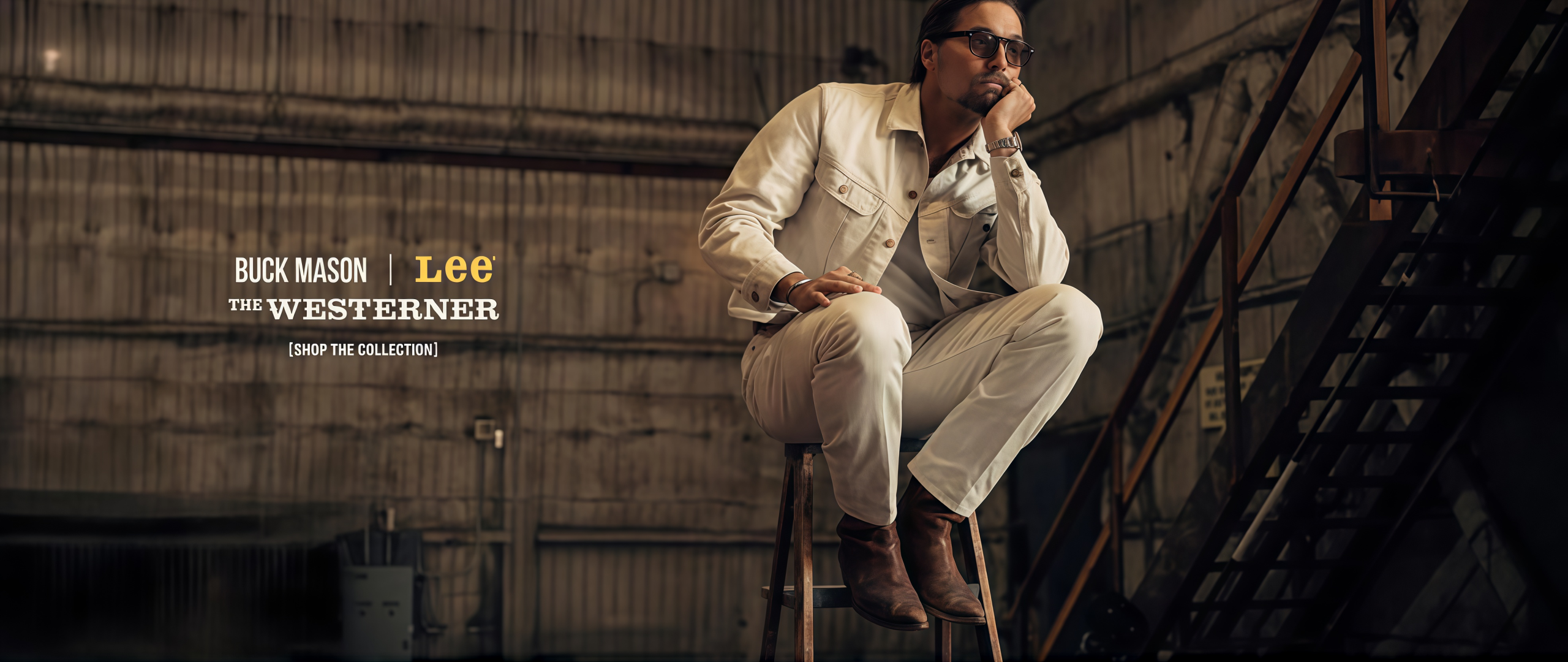
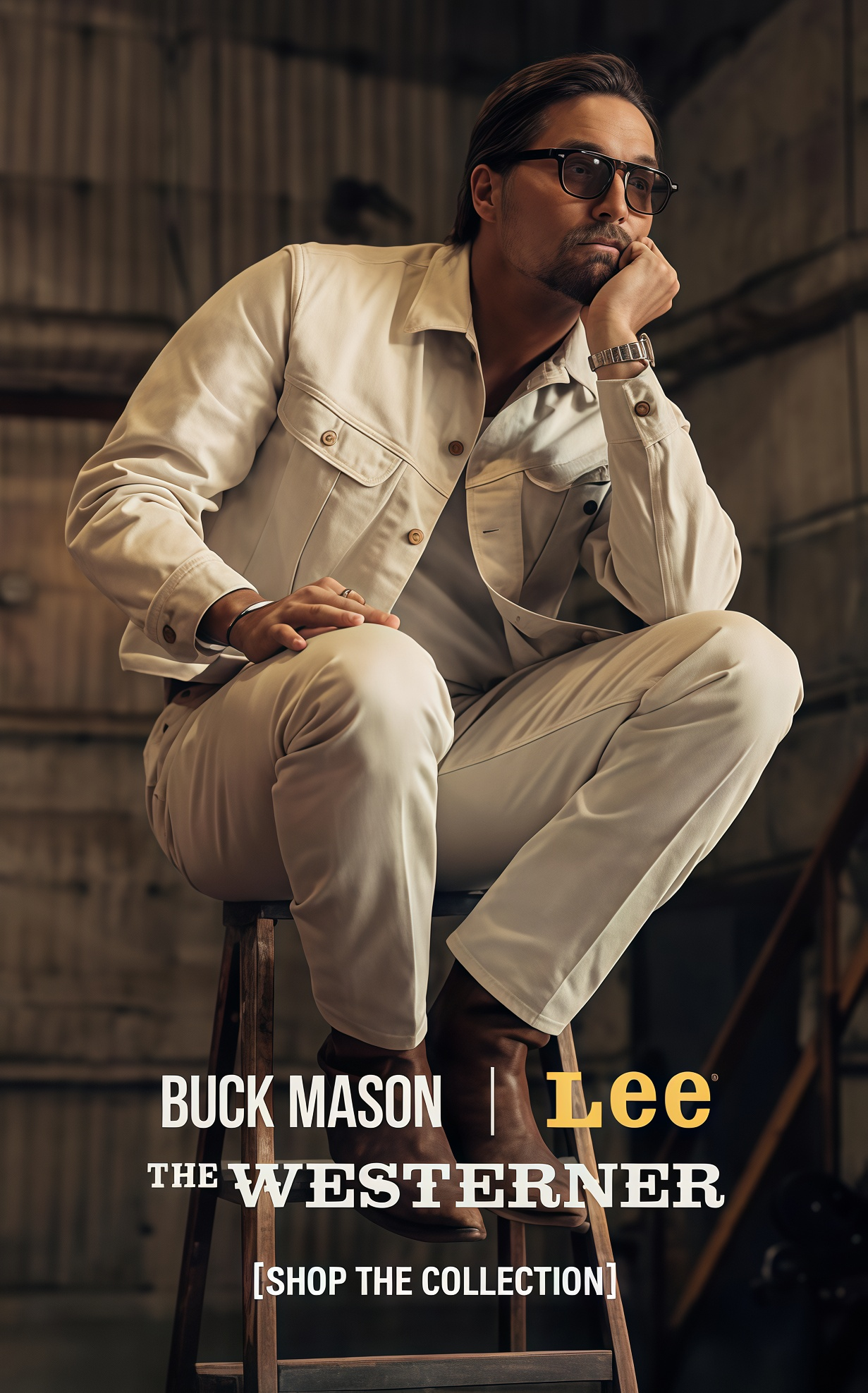
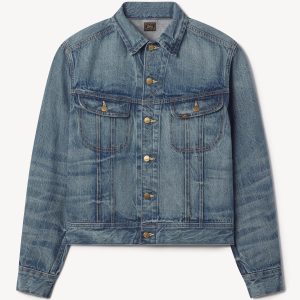
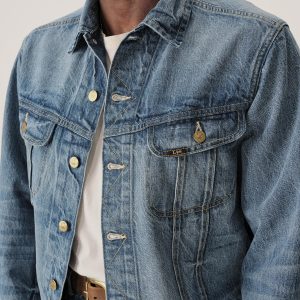
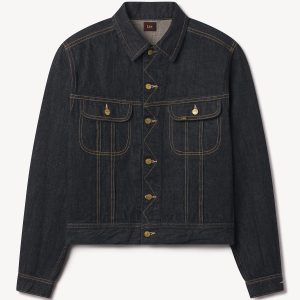
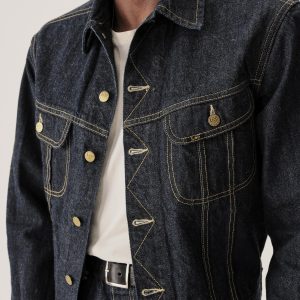
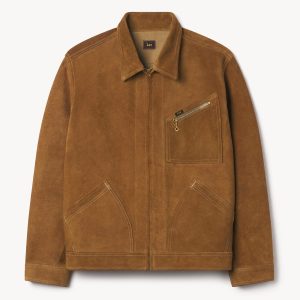
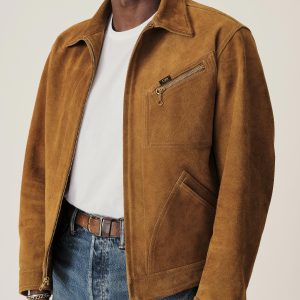
Lee x Buck Mason Westerner Jacket
The return of Lee’s iconic Westerner — rebuilt in Japanese sateen with sharp ’60s lines and a lived-in wash.
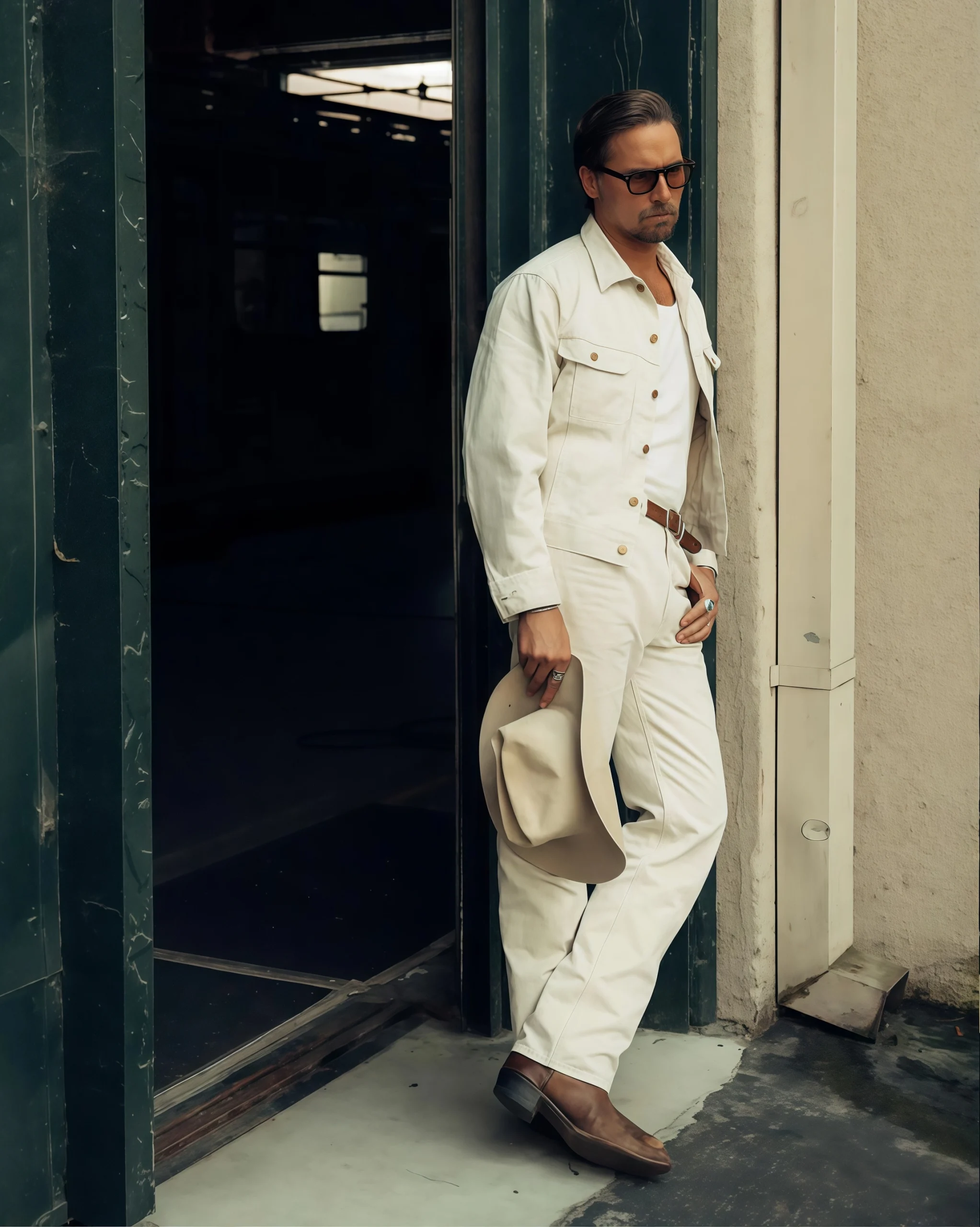
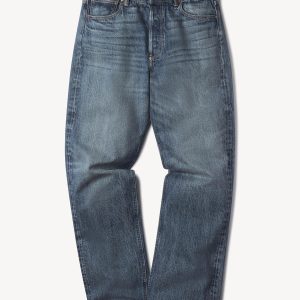
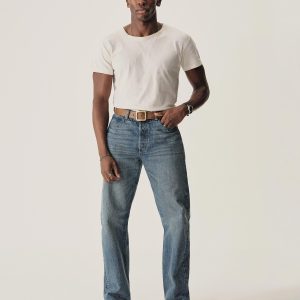
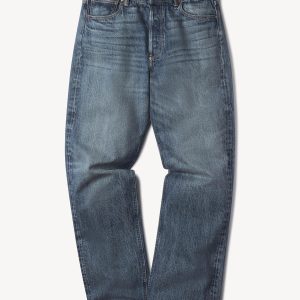
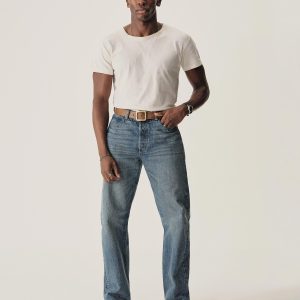
Lee x Buck Mason Westerner Jean
A clean, high-rise cut with western backbone, finished with Lee’s unmistakable midcentury details.
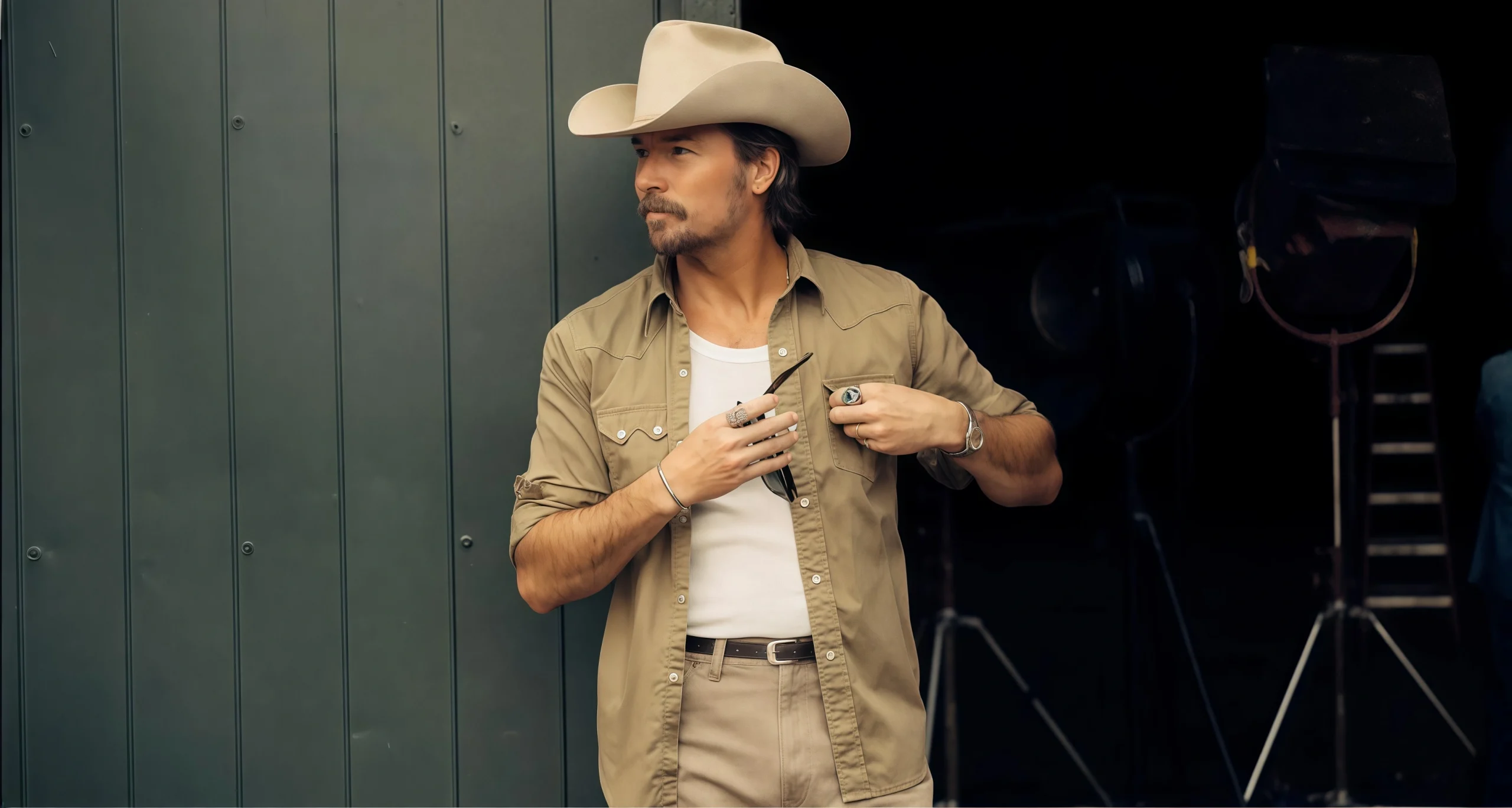
Lee x Buck Mason Westerner Shirt
The classic Lee Westerner shirt, cut with archival sawtooth pockets and a signature sleeve placket.
MEN
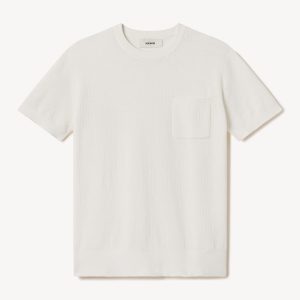
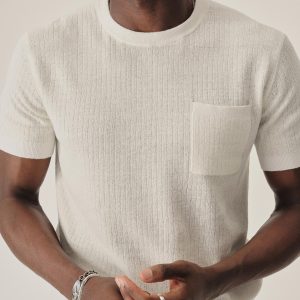
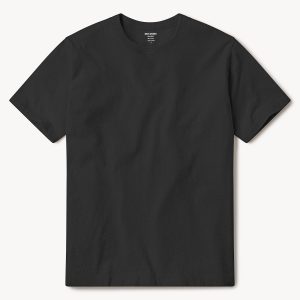
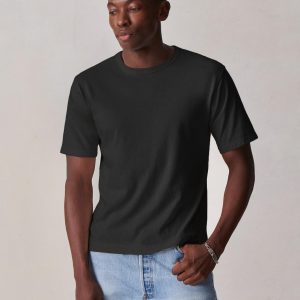
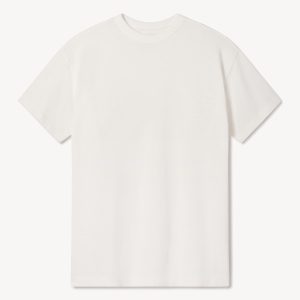
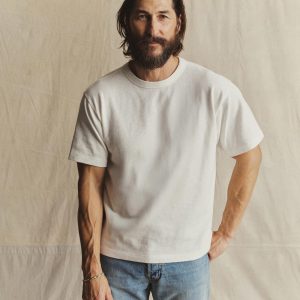
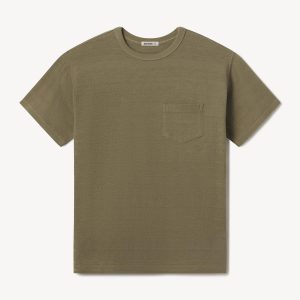
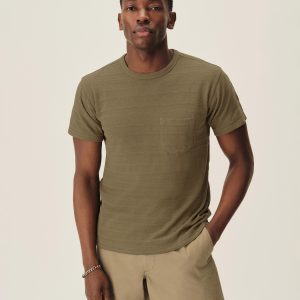
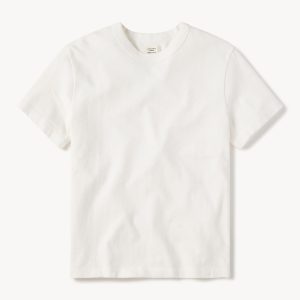
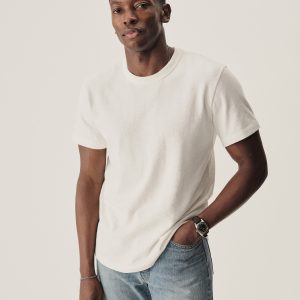
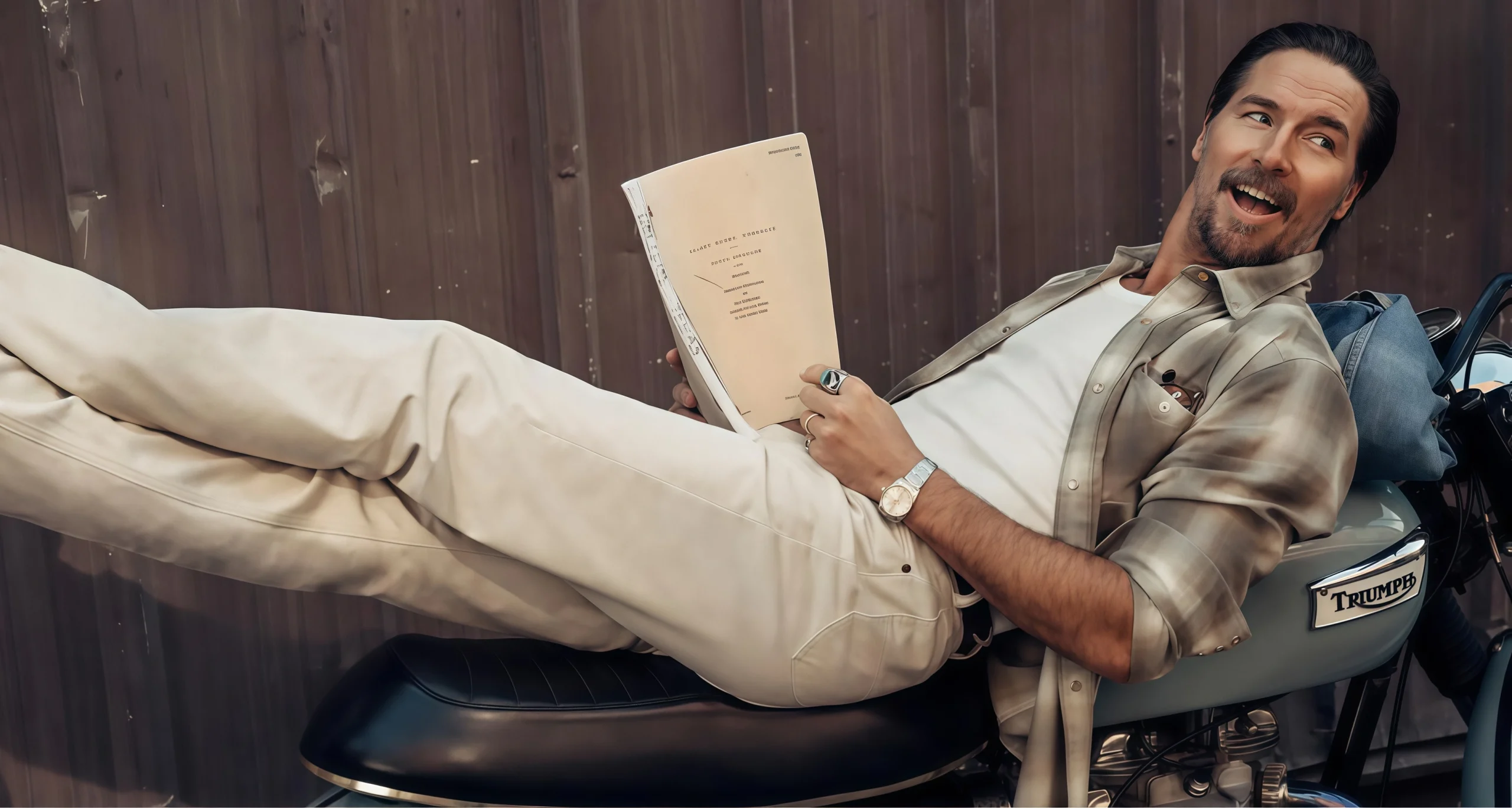
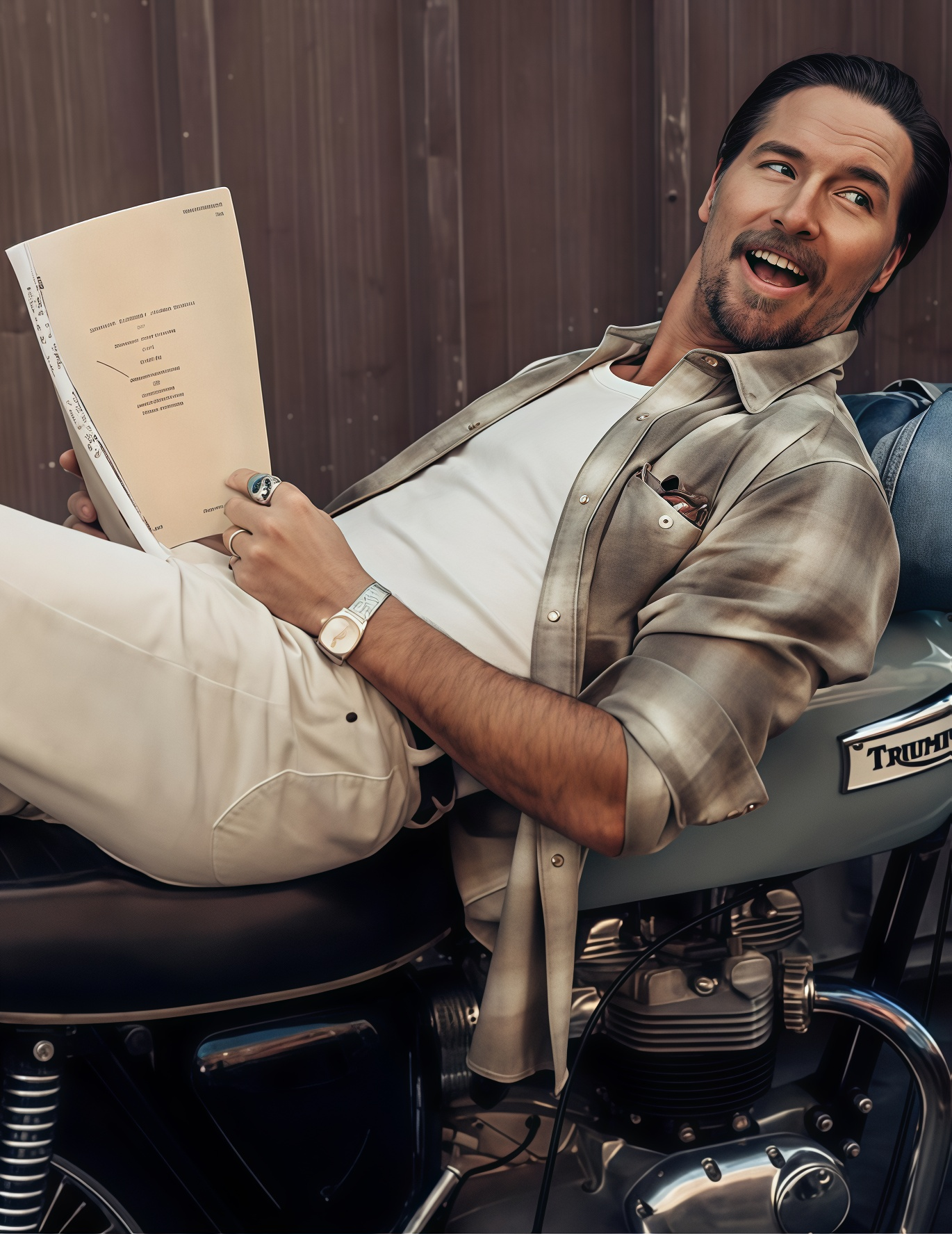
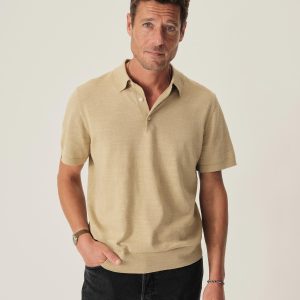
Decoding the Language of Fabric and Form in Menswear.
Menswear is often described as a language—a non-verbal communication system where every fold, every texture, and every shade contributes to the overall message. Mastering this language involves understanding two critical elements: the properties of the materials used and the architectural principles of its construction. This deeper appreciation transforms the simple act of getting dressed into a thoughtful, creative process.
The foundation of any garment is the textile itself. Different fibers carry inherent qualities that dictate how a piece will look and feel. Natural materials, for example, offer a distinct breathability and unique hand-feel. The character of a garment changes dramatically based on the raw material and how it is processed. A twill weave creates a diagonal pattern, offering a robust texture ideal for durable outerwear or trousers, while a plain weave provides a smoother, more casual surface. The way light interacts with these different surfaces—the sheen of a fine worsted versus the matte depth of a flannel—is a key tool for conveying formality or relaxation. Furthermore, the selection of textile is deeply connected to the seasons, with lighter, porous compositions suited for warmer periods, and dense, structured compositions providing essential protection and substance in cooler periods.
Equally important is the concept of drape, which is the way a material hangs and falls when worn. A textile with a heavier, more controlled drape will hold a sharp, defined shape, perfect for structured jackets. Conversely, a softer, lighter drape will flow more freely, lending itself to casual shirts or unconstructed pieces. The interplay between drape and the internal structure of the garment—such as the presence or absence of padding and lining—determines the final sculptural quality of the piece. This architectural approach to dressing is a hallmark of high-quality construction, turning cloth into a shape that complements the human form.
The subtle palette employed in sophisticated masculine dressing is another element of the language. While vibrant tones certainly have their place, the core of a timeless wardrobe often revolves around a carefully selected range of neutrals and deep, earthy tones. Shades of charcoal, navy, brown, and cream form a versatile base. The true artistry lies in combining these colors with varying textures and patterns. Pairing a smooth navy textile with a textured gray weave, or introducing a subtle, micro-patterned fabric next to a solid one, creates visual interest without shouting. This is the essence of understated elegance: complexity through texture, not through riotous color.
The modern silhouette continues to be influenced by a tension between formality and comfort. While the traditional, highly-structured look will always be a reference point, contemporary dress has embraced a more relaxed, but still precise, geometry. The move towards unconstructed jackets—pieces that maintain a sophisticated shape without heavy internal canvas—reflects a desire for ease of movement and a less rigid appearance. This demonstrates a continuous refinement of sartorial standards, adapting to modern lifestyles without sacrificing essential standards of quality and appearance.
Finally, true mastery of this domain involves an understanding of utility and purpose. Every item, from a robust overcoat designed for harsh weather to a delicately sewn shirting for a warm evening, is intended to fulfill a function. The best designs are those that seamlessly integrate utility with aesthetic appeal. Pockets are placed not just for symmetry but for access; closures are chosen for security and ease of use; and layers are calibrated for adaptable warmth. This functional integrity is perhaps the most enduring characteristic of masculine style, linking its past, present, and future.
In conclusion, the world of fine dressing is a constant exploration of balance. It is a negotiation between the weight of tradition and the demands of modern life, between the richness of material and the precision of form. By paying attention to the details of fabrication, silhouette, color, and construction, one can move beyond simply covering the body and truly engage in the powerful, silent communication that quality attire affords.